
Regional Sport Victoria responds to VicHealth announcement
As the year winds to a close, we continue to reflect on the Victorian Government’s decision to defund VicHealth and what this means for the future of prevention, equity, and community wellbeing across Regional Victoria.
For Regional Sport Victoria, VicHealth has been a critical partner in enabling our place-based, systems-focused approach to health promotion – one that recognises the vital role of sport and active recreation in strengthening communities, building social connection, and improving long-term health outcomes for rural and regional Victorians.
Its independence, evidence-led approach, and legislated commitment to prevention and investing in sport have been a cornerstone of its success – success that has sustained long term partnerships across the regional sport network, empowered local leadership, and been the catalyst for transformative community-led initiatives.
Through their commitment to partnership, we’ve seen what’s possible when investment is long term, grounded in trust – and at arm’s length from government: from innovative research to grassroots campaigns to drive participation, as well as advocacy, policy and structural reform that has transformed access, inclusion, and participation in sport.
While deeply disappointed by the decision, we remain focused on the future – working collaboratively with government, communities, and sector partners to ensure the legacy of VicHealth’s work and their place based funding approach through sport and active recreation is protected and continued, ensuring that prevention, equity, and local leadership remain central to improving health and wellbeing outcomes across rural and regional Victoria.
The Impact Of Investing In Sport...
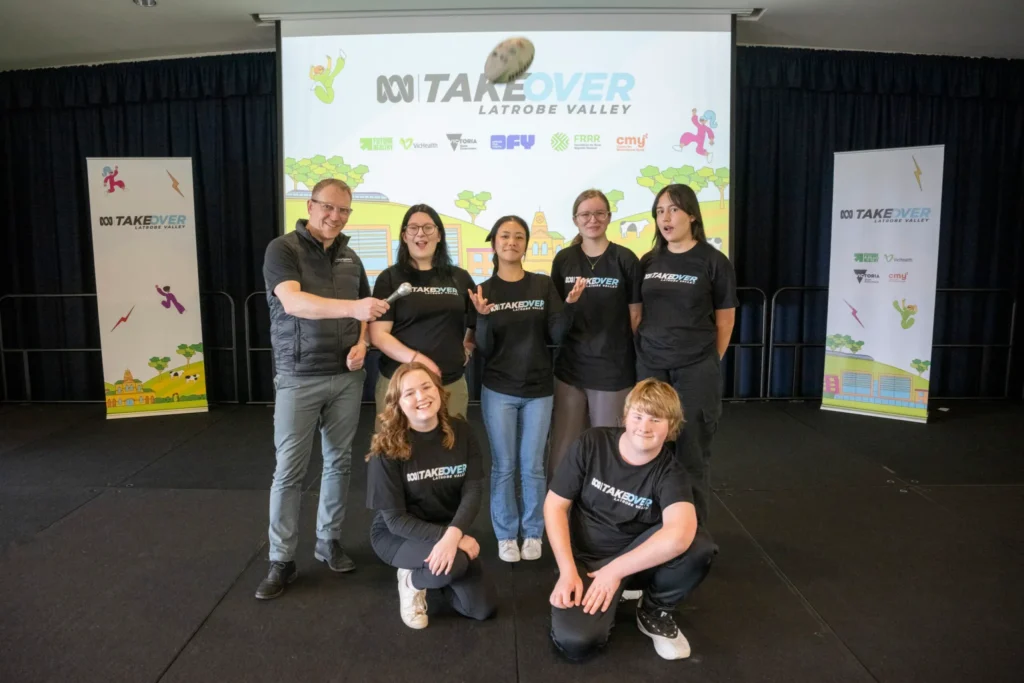

In September 2024, GippSport partnered with the ABC Takeover Youth Summit to co-deliver Recreation Revolution – a place-based youth activation in the Latrobe Valley that reimagined sport and active recreation as powerful tools for connection, wellbeing and youth empowerment in regional Victoria.
The Summit brought together 35 young changemakers from across the region in a week-long program of workshops, storytelling and collaboration. Working alongside these young people, GippSport helped create a platform where youth voices were central to identifying local challenges and re-imagining how sport, recreation and community spaces could better support participation, inclusion and belonging. Through co-design, participants explored what a more engaging, youth-friendly recreation system could look like in their own communities.
As part of this work, Recreation Revolution culminated in a one-day showcase delivered by GippSport, designed to encourage physical activity, celebrate creativity and strengthen young people’s sense of connection to place and community.
This investment in sport and active recreation demonstrates the broader impact of funding regional sport organisations to lead place-based action. Beyond increasing participation, the initiative built confidence, leadership and local capability – showcasing how youth-led approaches can generate meaningful, community-driven outcomes. It affirms that investing in regional sport and recreation strengthens not only physical health, but also social cohesion, empowerment and long-term community wellbeing across regional Victoria.
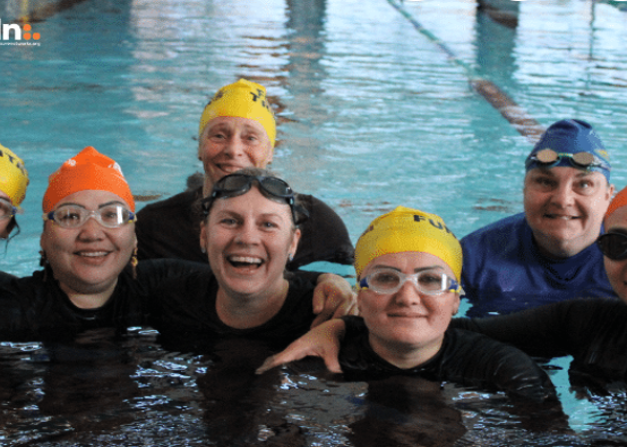
Splash Together is an intensive, culturally responsive swimming program led by Leisure Networks, in partnership with Swimming Victoria, designed to support women from culturally and linguistically diverse (CALD) backgrounds in the Corio area of Geelong to safely participate in aquatic environments and feel connected to community life through sport and recreation.
Co-designed with women from the Northern Bay Family Learning Centre, the program placed community voice at the centre of planning and delivery. Delivered as a one-week intensive, sessions were facilitated by qualified coaches in a culturally safe and welcoming environment, enabling women to build water familiarisation, swimming skills and confidence while forming strong social connections.
The impact of Splash Together is particularly significant in the Barwon region, where high levels of migration intersect with elevated drowning risk for people born overseas. In coastal and bayside communities like Geelong, beaches, pools and swimming are integral to community life, shaping how people connect, recreate and participate in shared social and cultural experiences. Ensuring equitable access to these spaces is essential for safety, inclusion and belonging.
As one participant shared:
“I never been in the water, never had a chance to swim, when I was little, it was my dream to go to swimming lesson. It was difficult because we were not allowed in my family. I am comfortable now and I can go with my children. I can go in the water and stay next to them.”
This case study demonstrates how investing in inclusive, place-based sport and recreation – led by trusted regional organisations – can strengthen safety, advance gender equity, and build lasting community wellbeing across regional Victoria.
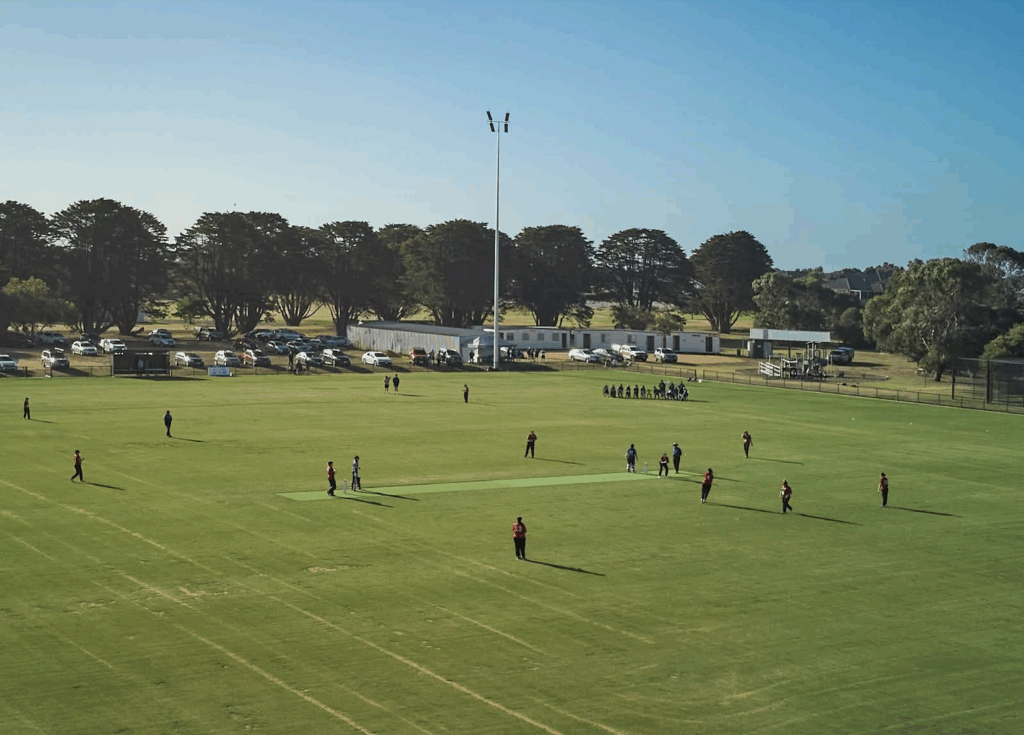
Through its role as a local connector and capacity builder, South West Sport partnered with a community cricket club to address barriers to participation and build a sustainable pathway for women and girls aged 17–30 in Warrnambool.
The club identified a critical drop-off point as players transitioned out of under-17s, driven by cost, confidence, facilities and a lack of inclusive culture within a traditionally male-dominated environment. South West Sport partnered with the club to understand these challenges and build capability to respond – drawing on prior youth engagement insights and facilitating conversations with junior players, parents and existing women players to centre lived experience.
Together, they addressed financial, social and environmental barriers. With South West Sport’s support, the club secured grant funding to reduce the cost of entry, purchase women-specific equipment, provide loan uniforms, and subsidise first-year fees. Small but meaningful changes to facilities and communications improved safety, visibility and belonging, while targeted promotion elevated women and girls’ participation across club channels.
South West Sport also supported the delivery of a Come & Try event during This Girl Can Week, connecting local schools, council and media to attract new participants. The result was tangible growth, stronger social inclusion and a shift toward a genuine one-club culture.
“It’s great to see the flow on effect from our Come & Try day, with not only three of the girls joining the club, but two also bringing along a friend to join the club to play this season.”
This work demonstrates the impact of place-based investment: empowering clubs to remove inequities, build inclusive environments, and create sustainable participation pathways for women and girls in regional communities.
The Multicultural Stand Up Paddleboarding Program in Horsham highlights the important role Wimmera Regional Sports Assembly (WRSA) plays in expanding access to inclusive, place-based sport and recreation opportunities for young people across the Wimmera.
First identified through consultation with the Young G Multicultural Youth Group, WRSA supported the introduction of stand up paddleboarding as a non-traditional physical activity – creating opportunities that would otherwise not exist in a region with limited access to water-based programs. Delivered in partnership with Surfing Victoria, Wimmera Development Association and local community groups, the program brought young people from culturally and linguistically diverse backgrounds together on the Wimmera River for a series of safe, supported sessions.
Beyond physical activity, the program strengthened social connection by creating shared experiences outside regular youth group meetings and connecting young people from Horsham and the Nhill Karen Community – groups that rarely have opportunities to come together. Importantly, participants developed water safety knowledge and confidence in an environment that is central to community life in the Wimmera, where many social and recreational activities revolve around the river.
The program resulted in noticeable growth in confidence both on and off the water, enabling young people to feel safer and more connected to their community. This case study demonstrates how investment in regional sport organisations like WRSA enables locally responsive solutions that build inclusion, confidence and long-term community wellbeing through sport and recreation.
“Through long-term partnerships across the regional sport network, we’ve seen how sustained investment builds trust, strengthens local leadership, and delivers meaningful, lasting outcomes for rural and regional communities – this commitment to working with and for communities is what has made VicHealth so effective in driving improvements in health equity”.
Ashleigh Nicolson, Executive Officer – Regional Sport Victoria.
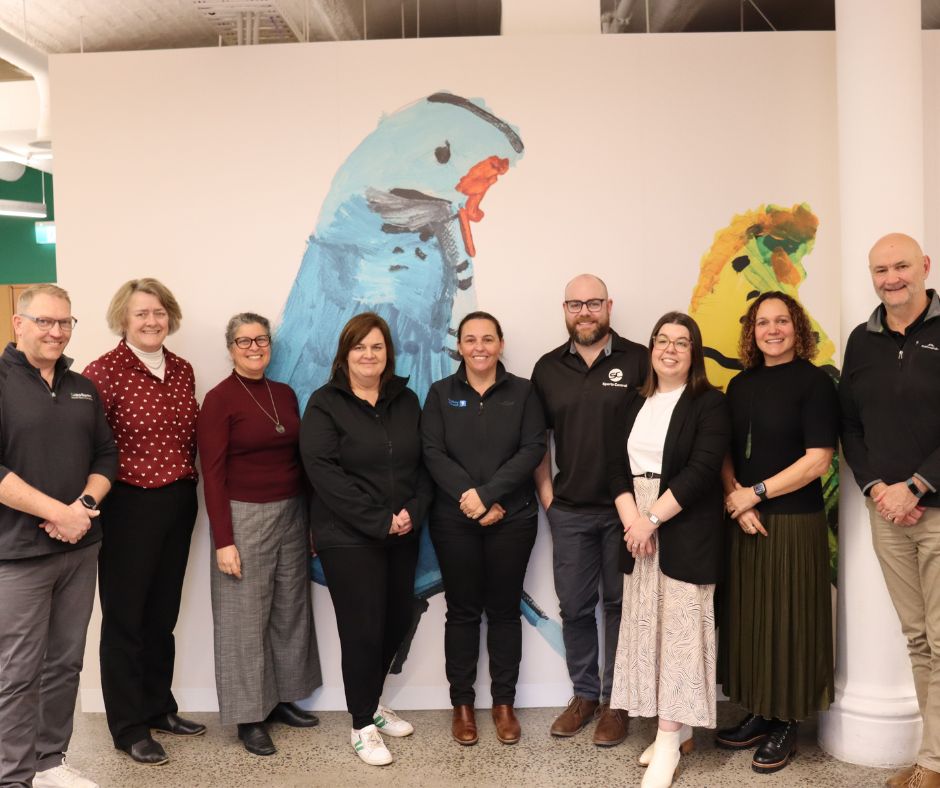
“ An independent health promotion system is essential in advancing equity and delivering long-term public value. VicHealth’s legislated commitment to prevention and investment in sport has helped reshape systems, inform policy, and support communities to lead change. Protecting this legacy is vital to the future health and wellbeing of regional Victorians”.
Carissa Harris, Chair – Regional Sport Victoria.